
Young man writing next to a computer.

A Primer on Title II of the Americans with Disabilities Act and the Web Content Accessibility Guidelines 

While accommodating individual students’ needs is a requirement, when it comes to the edtech students need, SEAs and LEAs must begin addressing accessibility from the start, if they haven’t already.


A teacher looks at her computer. A white board with equations shows in the background.

Lessons from Colorado

Education leaders in Aurora, Colorado blazed a trail through legal requirements, technical hurdles and educational needs—and thanks in part to their work, the path may be easier for other districts to follow.


Sarah and Jack selfie

Why Accessible Assessments Matter: Jack’s Story

“For a long time, the state assessments he received weren’t in the right braille code and/or the equipment wasn’t in place for him to access the test in either enlarged print or braille. 

“When that happened, the test wasn’t really measuring what it’s supposed to measure. Instead, it was measuring how well he could read outdated braille codes, or how well his eyes worked, or for how long his eyes gave him accurate information.”


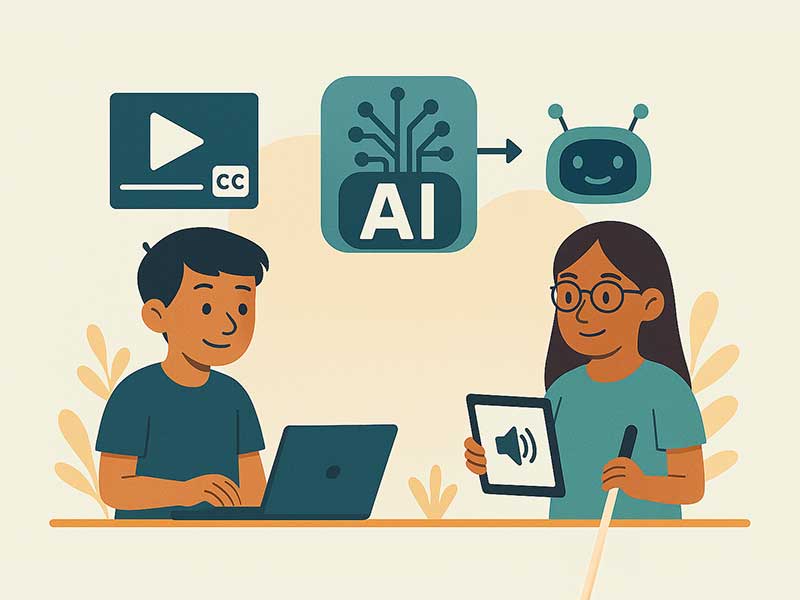
Two young students using a computer and a tablet

AI Is Not (Necessarily) Accessible

Some educators and policy makers hoped AI would make learning on devices, such as mobile phones, tablets or laptops, more accessible for students with disabilities. But before adopting the technology, school leaders need to ask some important questions about how it will affect learning and what steps need to be taken to protect student privacy.


Drake speaks during an interview

Utah Family Struggles For Timely Access To Materials

NCADEMI supports state and local educational agencies in delivering timely, accessible digital materials. There are multiple steps between the people working to make it happen, and the learners who will ultimately benefit from NCADEMI’s mission. But spend some time with those learners, and you will see how badly it is needed.