Accessible PowerPoint Presentations

It doesn’t take an expert to create one. It just takes a little care. Most PowerPoint users have noticed that slides come with their own format. The part many may not know: those placeholders have accessibility built into them. When an educator deletes out the standard header, text, graphic, chart, photo and video fields, there […]
The Deadline Moved. The Work Continues. 

The ADA Title II compliance deadlines have been extended by one year, but the accessibility requirements have not changed. Learn what the new timeline means for schools, why it’s important to keep moving forward, and find practical tools and resources to help build sustainable, accessible digital learning systems.

Behind Every Rocket Launch Is a Classroom: How Inclusive Systems Make the Impossible Possible

A rocket launch may last only minutes, but it’s built on years of learning, support, and opportunity. Explore why inclusive technology systems, accessible learning, and thoughtful instructional design matter long before students enter the workforce. Discover how schools can create environments where every learner has the chance to reach their full potential.

Digital Content Accessibility—A Marathon and A Sprint 

Kerry S. Lueders, EdD, COMS, TVI, CLVT relays her personal journey of learning to create accessible content, concluding with an exciting resource she developed for general education teachers who are on their own accessibility journey.

ATIA 2026: Learning Together, Building Momentum for Digital Accessibility 

NCADEMI recently joined thousands of educators, advocates, and assistive technology (AT) practitioners and leaders at the 2026 Assistive Technology Industry Association (ATIA) Conference. Across workshops, sessions, and hallway conversations, we exchanged tools and strategies on how accessible digital materials support better learner experiences with AT.

Lessons from Colorado

Education leaders in Aurora, Colorado blazed a trail through legal requirements, technical hurdles and educational needs—and thanks in part to their work, the path may be easier for other districts to follow.

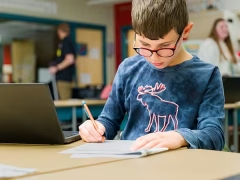
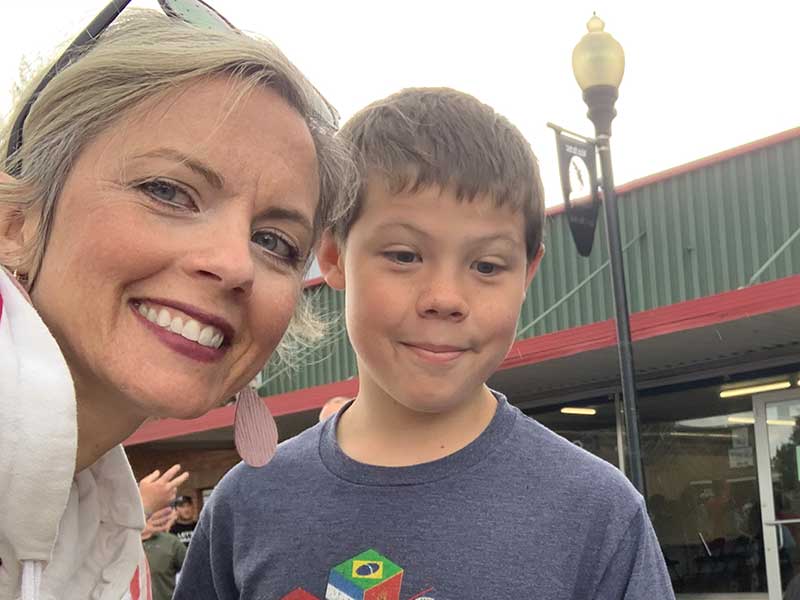
Why Accessible Assessments Matter: Jack’s Story

“For a long time, the state assessments he received weren’t in the right braille code and/or the equipment wasn’t in place for him to access the test in either enlarged print or braille. 

“When that happened, the test wasn’t really measuring what it’s supposed to measure. Instead, it was measuring how well he could read outdated braille codes, or how well his eyes worked, or for how long his eyes gave him accurate information.”

AI Is Not (Necessarily) Accessible

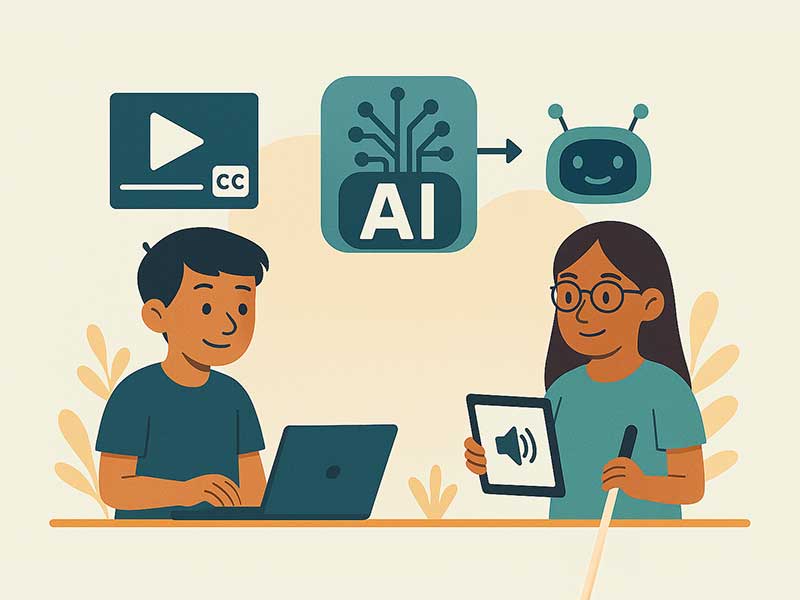
Some educators and policy makers hoped AI would make learning on devices, such as mobile phones, tablets or laptops, more accessible for students with disabilities. But before adopting the technology, school leaders need to ask some important questions about how it will affect learning and what steps need to be taken to protect student privacy.