
An accessible education means that a student with a disability can access the same information, engage in the same interactions, and benefit from the same learning experiences as their peers – with equivalent timeliness, independence, privacy, and ease.
This means accessible materials offer:
- Timeliness: They are available for students with and without disabilities at the time of instruction.
- Independence: Students can use them on their own, without intermediaries.
- Privacy: Students can access them without sharing their credentials.
- Ease of use: They work seamlessly with assistive technology.
Through procurement, state and local educational agencies can provide accessible materials in two ways: by incorporating digital accessibility requirements into edtech purchasing to ensure materials are accessible to all students, or by ensuring eligible students with disabilities receive high-quality accessible formats of instructional materials—such as braille, digital text, audio, and large print—in a timely manner.
Accessible EdTech
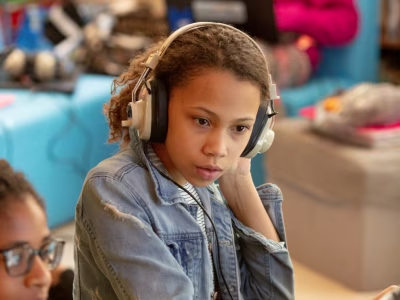
Find guidance and tools for evaluating and selecting accessible educational technologies, incorporating accessibility into procurement, and working effectively with vendors.
Accessible Formats
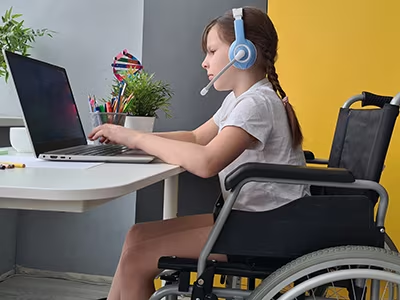
Explore resources to help identify student needs and locate, acquire, and provide accessible formats such as braille, large print, audio, and digital text in a timely manner.